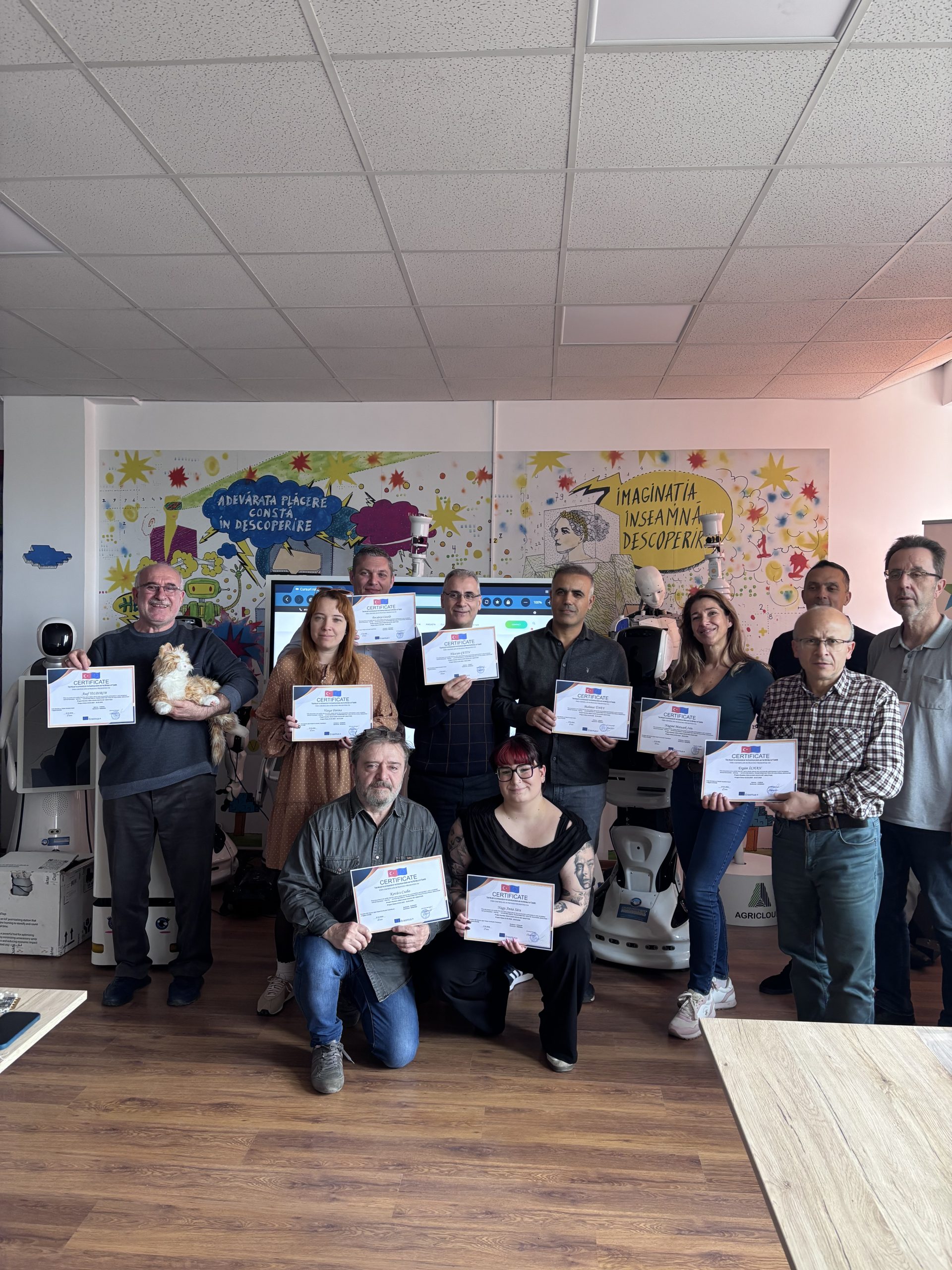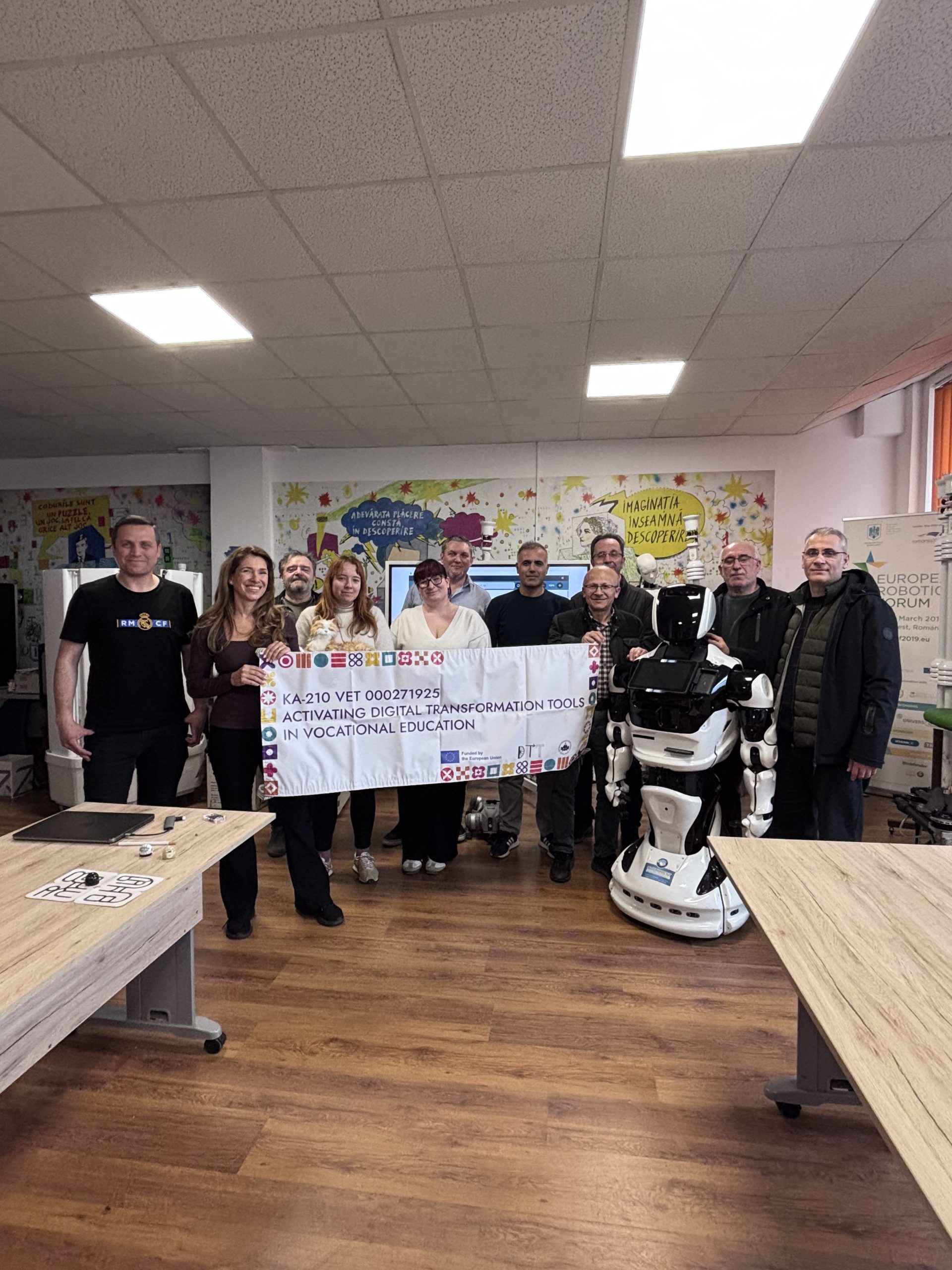
DTT’s in VET – Professional Mobility, March 22–28, 2025
As part of the DTT’s in VET project, we took part in an international professional mobility programme in Bucharest from March 22 to 28, 2025. The programme provided a unique opportunity for Hungarian, Turkish and Romanian educators to exchange ideas on the digital transformation of vocational education and training, modern teaching methods, and the professional challenges of the future.
The mobility programme was preceded by an extended period of professional consultation to ensure that the participants’ experience and expertise were aligned as closely as possible with the objectives of the programme. The members of the Hungarian delegation have outstanding experience in various areas of digital technology.
László Bocsányi is experienced in the use of CAD systems and woodworking machinery, Csaba Kovács has extensive professional experience in graphic design and decoration software, while Anna Sára Nagy represents a new approach in the fields of graphic design and video-editing software, as well as innovative digital pedagogical solutions. Dorina Varga, a young educator committed to digitalisation, also took part in the programme, while Irén Nagyné Matusek was responsible for project coordination.
Three Countries, Shared Professional Goals
During the programme, participants had the opportunity to get to know their Turkish and Romanian partners and share their professional experiences. The Turkish delegation consisted of mechanical engineering and electronics vocational teachers from the FATIH school in Sakarya. The participants came from different educational environments, but they face many of the same challenges in their everyday teaching practice.
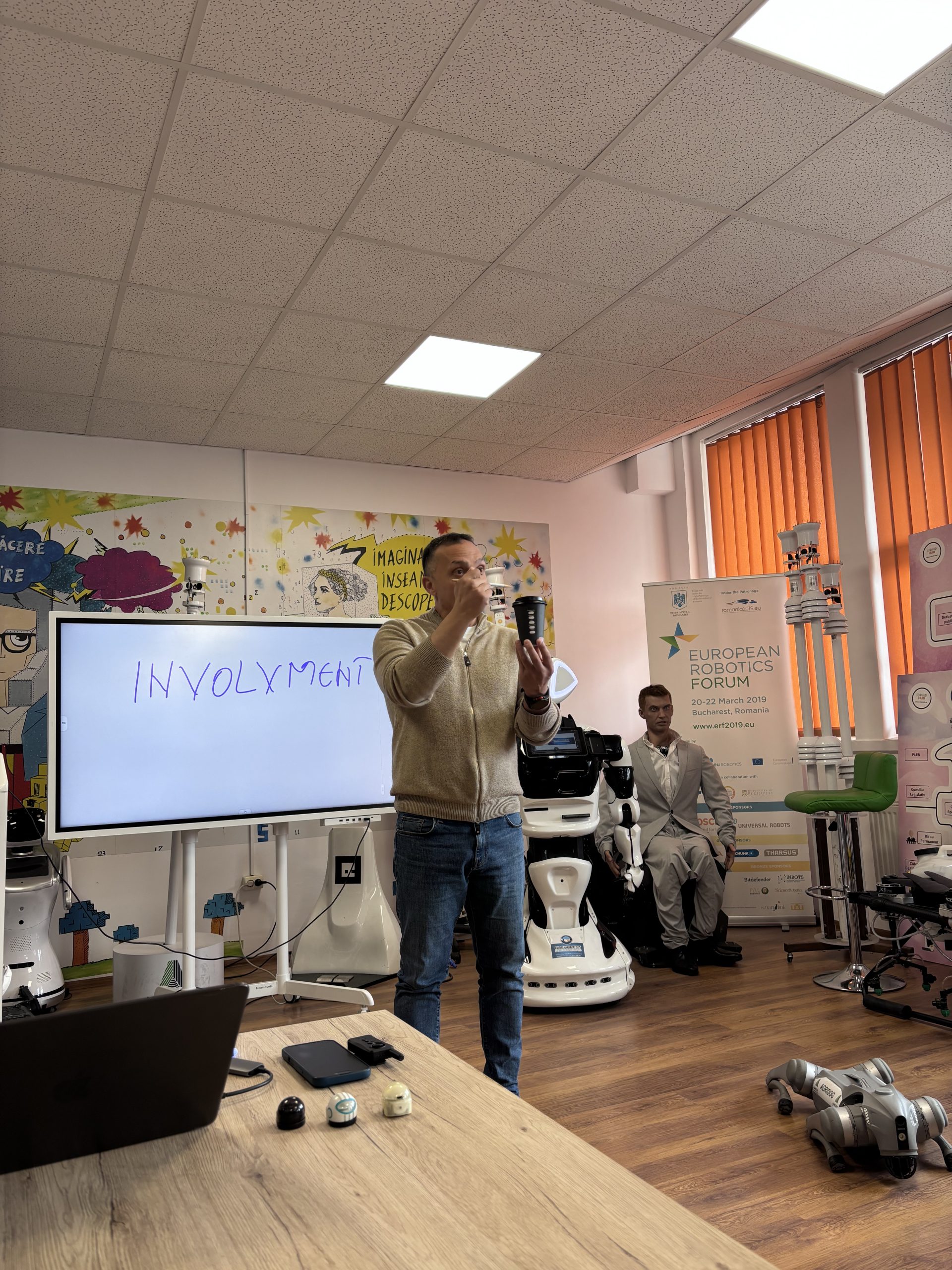
The main venue of the professional programme was the RoboHub Centre in Bucharest, where we explored the role of digitalisation in vocational education and training through interactive sessions, presentations and professional discussions.
Digital Tools and Artificial Intelligence in Vocational Education
One of the key topics of the programme was engaging the attention of secondary school students and addressing the resulting pedagogical challenges. Together, the participants explored how digital tools can help teachers make education more engaging, interactive and motivating for students.
During the professional programme, we addressed topics including:
- the use of digital tools in vocational education and training;
- the educational use of robotics equipment;
- the potential of artificial intelligence in vocational education and training;
- interactive teaching methods;
- pedagogical challenges related to maintaining students’ attention;
- the use of digital solutions to support the teaching and learning process.
In addition to practical demonstrations and interactive sessions, participants also had the opportunity to share their own experiences. The perspectives of educators from different countries complemented one another effectively, and a number of ideas emerged that could serve as a foundation for future cooperation.
University Visit and Robotics Developments
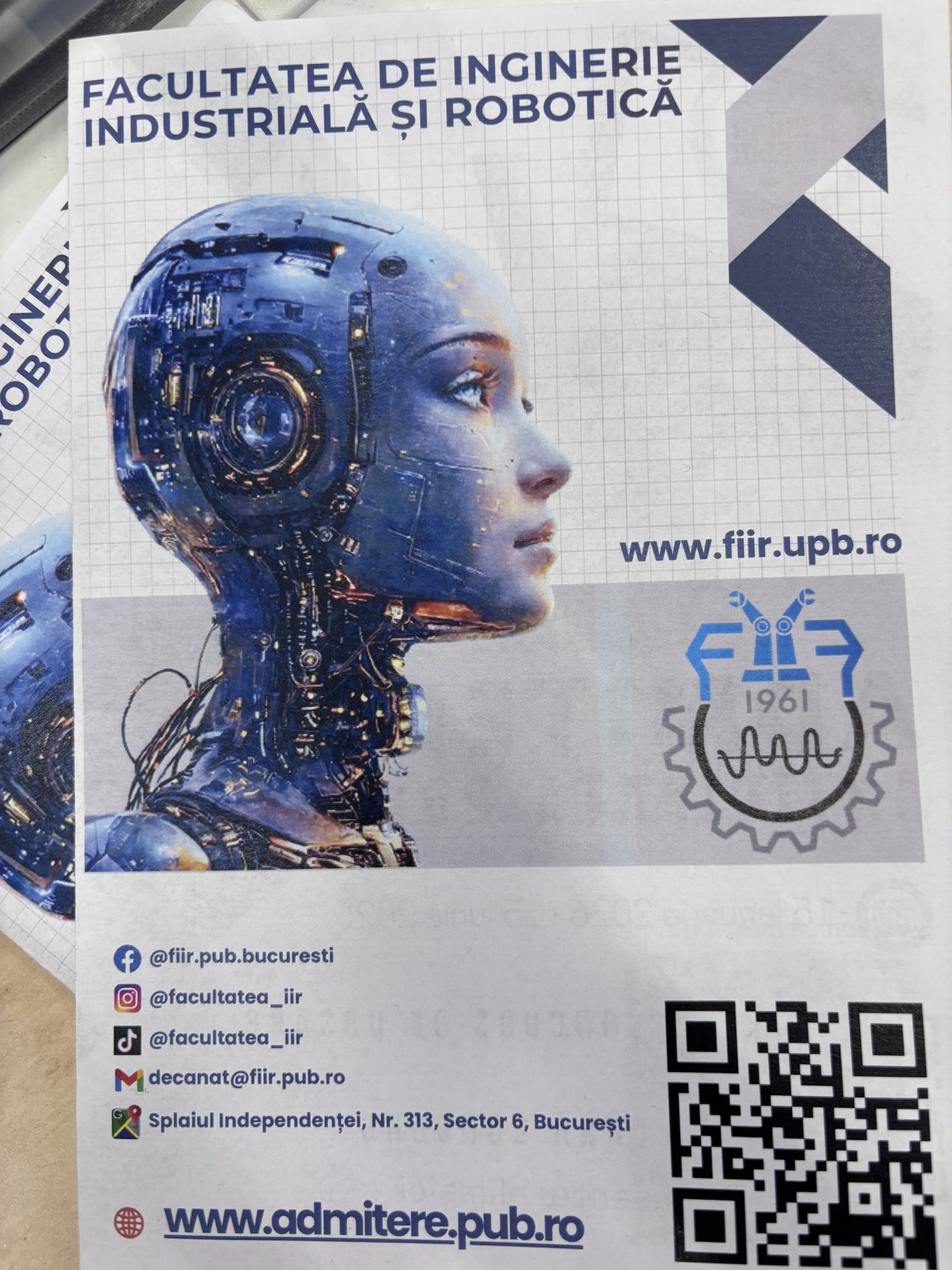
As part of the mobility programme, we also visited Politehnica University of Bucharest, where we gained insight into the institution’s robotics developments. During the presentation, we not only learned about new technologies but also had the opportunity to speak directly with lecturers and students involved in the development projects.
The university visit clearly demonstrated the close connection that can be established between cutting-edge technologies, higher education and vocational education and training. The developments we saw provided considerable inspiration for exploring how digital and robotics-based solutions could become part of vocational education and training in the future.
Joint Curriculum Development for the Future
One of the most important outcomes of the professional week was that the participants jointly established the foundations and initial concepts for educational content development connecting the three countries. The aim is to create modern, digitally based educational materials that can be useful to all three partners and contribute to developing the digital competences of both students and educators.
The joint work also creates opportunities for long-term professional cooperation. The experiences gained during the mobility programme and the partnerships established can provide an important foundation for future joint projects, methodological developments and knowledge-sharing activities.
Cultural Experiences and Community Building
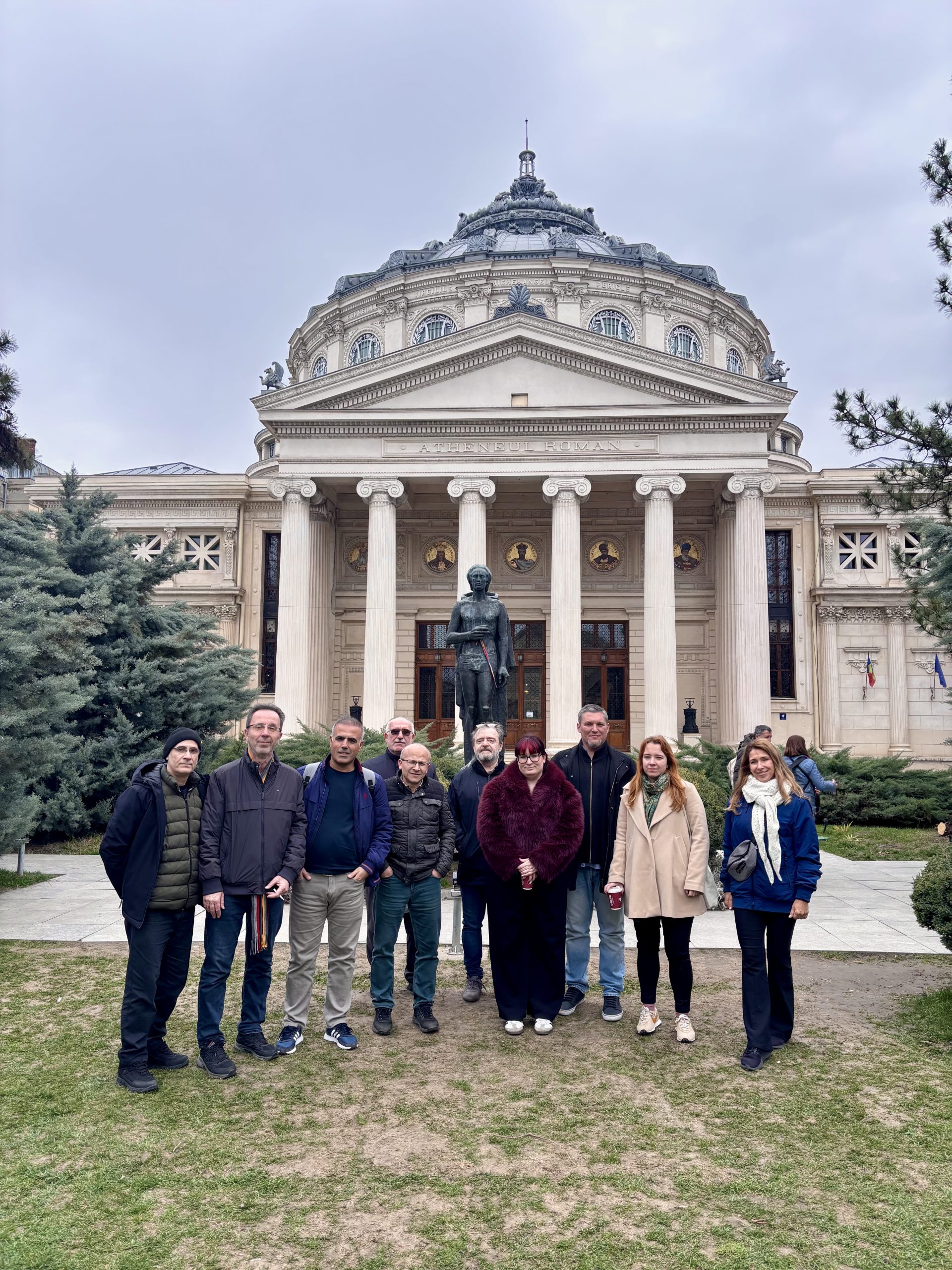
In addition to the professional programme, participants also had the opportunity to discover Bucharest’s history and cultural heritage in their free time. The multicultural team explored the city’s interesting historical sites and landmarks together.