As part of the project KA-210 VET 000271925 – “Activating Digital Transformation Tools in Vocational Education”, a five-day professional study visit took place in Budapest from 22 to 26 September 2025, at BKSzC Kozma Lajos Woodworking and Creative Technical School.
The aim of the programme was to explore tools and methods related to digital transformation and to identify opportunities for their application in vocational education and training, with particular emphasis on the woodworking and arts sectors.
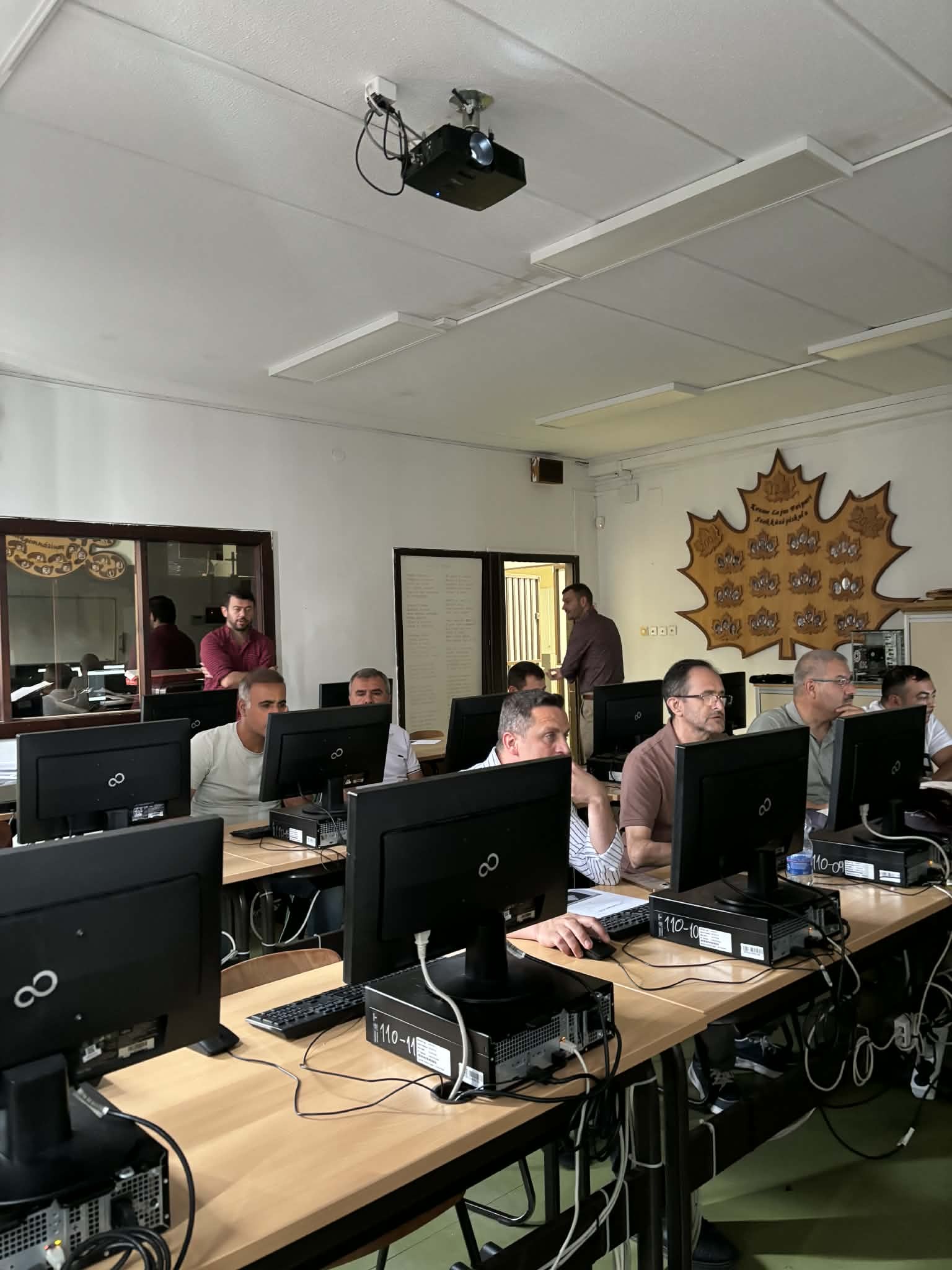
The second day focused on the digital tools used in woodworking vocational education. The participants reflected on the experiences of the previous day and then attended a detailed presentation on the software used in the training programmes. This was followed by a demonstration lesson, where they had the opportunity to observe the technologies in practice. During the afternoon workshop, the participants were able to try out and practise using the software they had been introduced to, contributing to a deeper understanding of their practical applications.
On the third day, the focus shifted to digital tools used in arts vocational education. The programme followed a structure similar to that of the previous day: it began with a reflection session, followed by a presentation and a demonstration lesson on the software used in arts education. During the afternoon workshop, the participants actively worked with the tools they had been introduced to and gained first-hand experience of their application in an educational context.
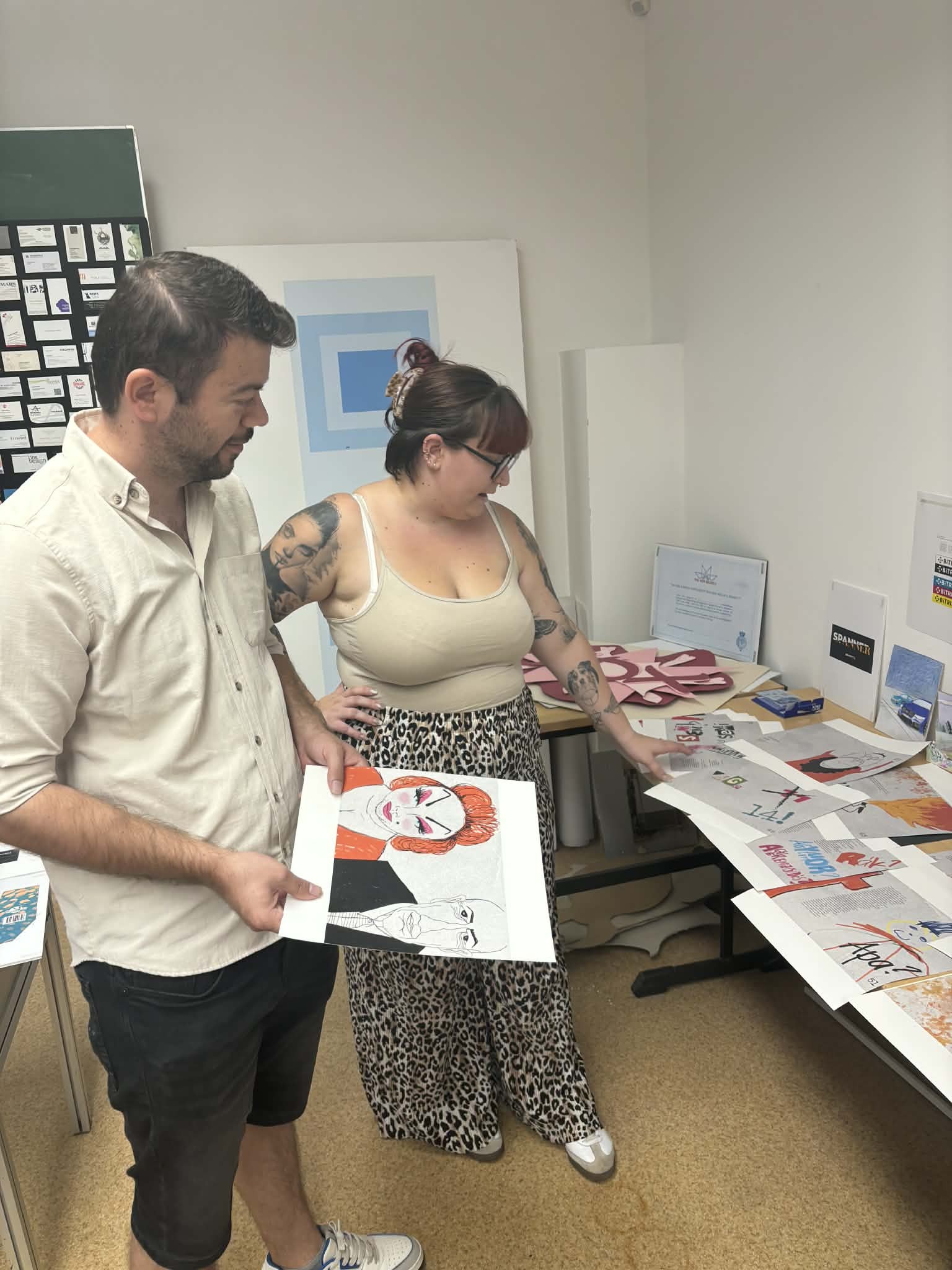
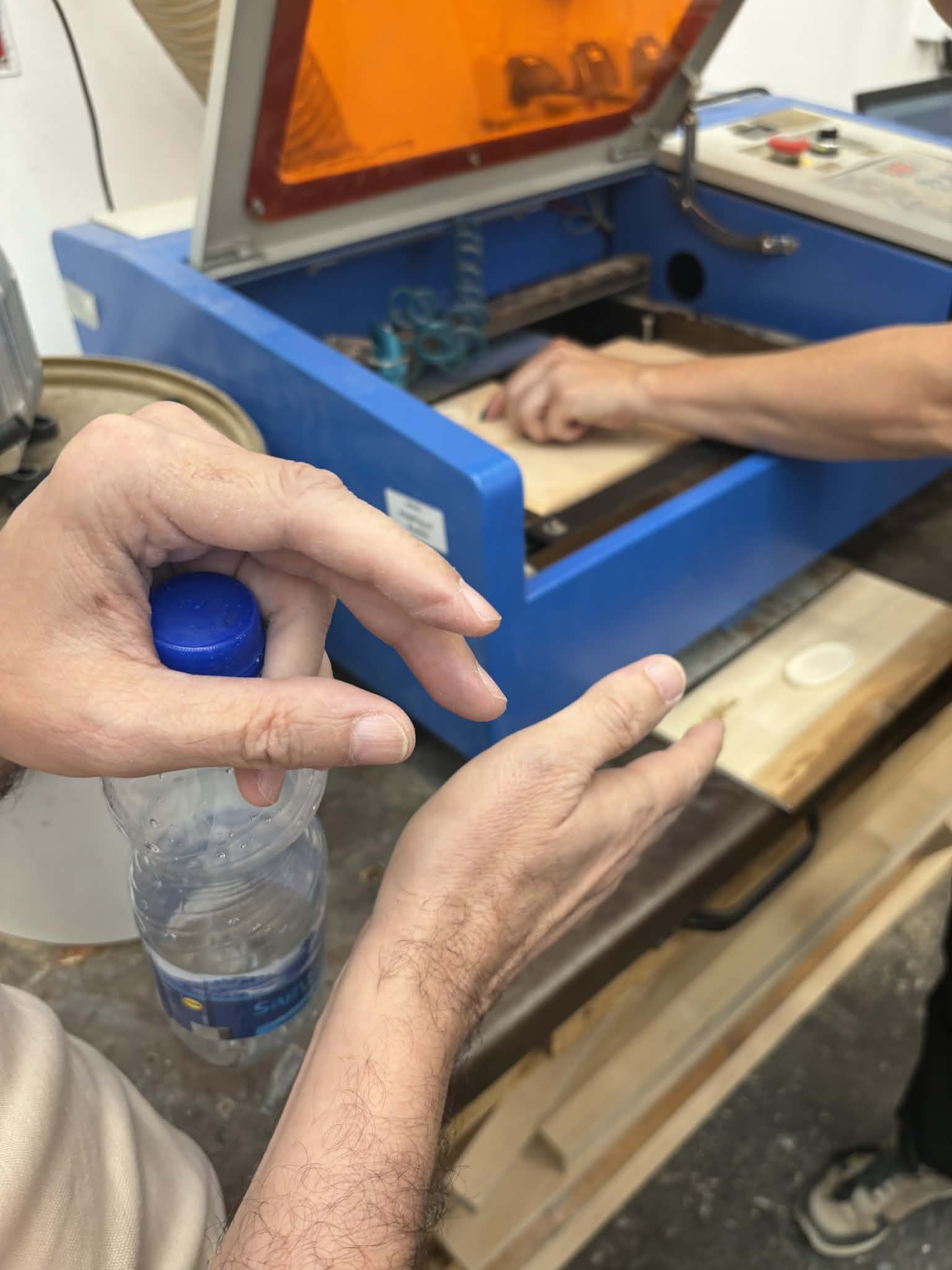
The fourth day focused on the role of digitalisation in workshop-based practical training. At the beginning of the day, the participants once again had the opportunity to discuss and reflect on the lessons learned from the previous day. This was followed by a presentation introducing the digital tools used in workshop practice.
During the workshop, the participants became familiar with modern technologies used in woodworking processes and gained insight into how these technologies can be integrated into vocational education and training. The day concluded with a joint evaluation and a question-and-answer session.
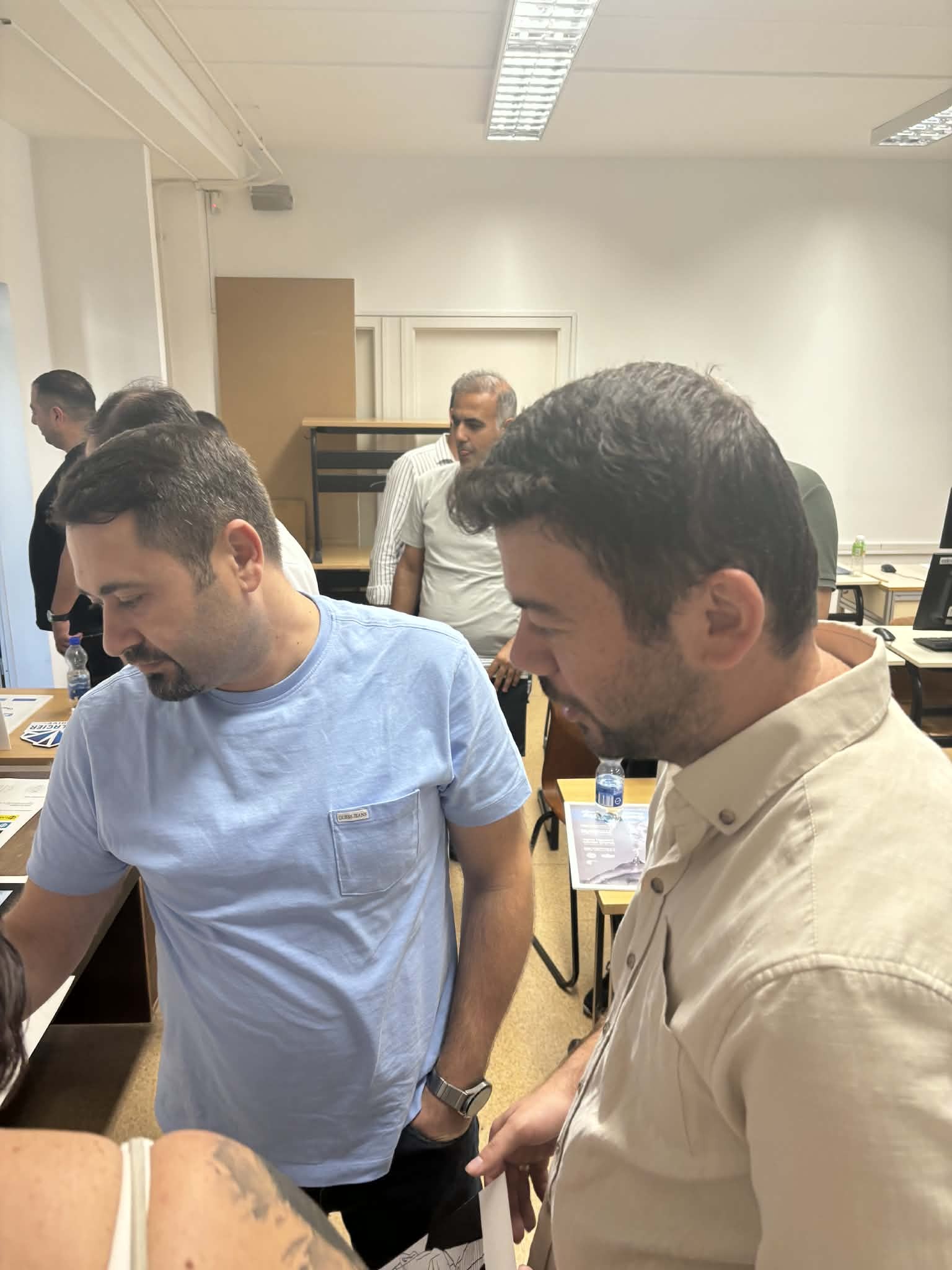
On the fifth and final day, the participants worked in groups to summarise the experiences and knowledge they had gained throughout the week. They presented the materials they had prepared, providing an opportunity for shared learning and for exploring different perspectives.
As the official closing of the programme, certificates were presented to the participants, formally recognising their active participation and the knowledge and skills they had acquired.
Overall, the professional study visit contributed to the development of the participants’ digital competences and provided them with an opportunity to explore new methodological and technological solutions. The knowledge and experience gained during the programme can be effectively integrated into the everyday practice of vocational education and training in the future.